

I remember staring at my grocery bill after my first attempt to build a 30-day survival food supply on a budget. Three hundred dollars later, I had maybe two weeks worth of food and a sinking feeling that I'd done something terribly wrong. That was eight years ago, and I've learned a lot about smart emergency food planning since then.
Building a month's worth of emergency food doesn't have to drain your bank account. With the right strategy, you can create a solid 30-day food supply for under $150 per person. I've done this multiple times now, and I'll show you exactly how to make it work without sacrificing nutrition or taste.
Start with the Foundation: Bulk Staples That Actually Fill You Up
The biggest mistake I see people make is buying expensive freeze-dried meals as their foundation. Those have their place, but they're not where you build your base. Your foundation should be cheap, calorie-dense staples that store well and fill stomachs.
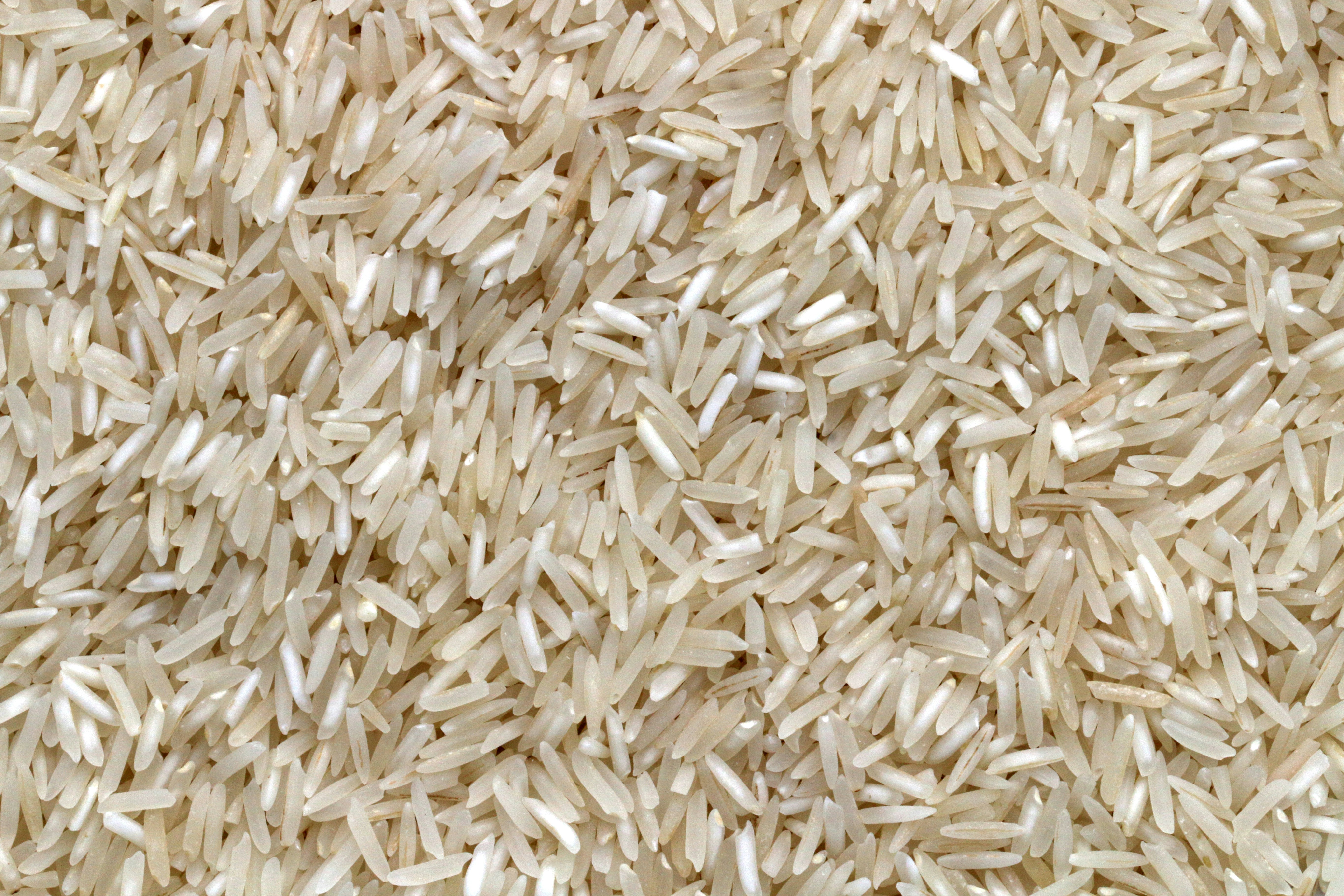
Rice is your best friend here. A 20-pound bag of jasmine rice from Costco runs about $15 and provides roughly 30,000 calories. That's half your monthly calorie needs for one person right there. I keep both white and brown rice in my storage – white lasts longer, brown has more nutrition.
Dried beans are equally important. Black beans, pinto beans, kidney beans, and lentils give you protein and fiber. I buy them in 5-pound bags during sales, usually paying around $4-5 per bag. Red lentils are especially good because they cook fast and don't need soaking.
Oats deserve a spot in every budget food supply. Old-fashioned oats from Walmart cost about $3 for a large container and give you filling breakfast options. I've eaten oatmeal for weeks during tough times – it's boring but it works.
Canned Foods: Your Reliable Backup Plan
Once you have your bulk staples covered, canned foods become your variety and nutrition boosters. I focus on sales and store brands to keep costs down. My local grocery store runs canned vegetable sales every few months where I can get cans for 50-70 cents each.
Canned tomatoes are incredibly versatile. Diced tomatoes, tomato sauce, and tomato paste can transform rice and beans into dozens of different meals. I stock up when they hit 80 cents or less per can.
Canned chicken and tuna provide ready-to-eat protein. Great Value canned chicken from Walmart costs about $2.50 per can and contains enough protein for 2-3 meals. It's not gourmet, but it's filling and doesn't require cooking fuel.
Don't overlook canned vegetables. Green beans, corn, carrots, and mixed vegetables add nutrients and break up the monotony. I aim for under $1 per can and buy during case-lot sales.
The Power of Pasta and Sauce
Pasta deserves its own section because it's so budget-friendly and satisfying. You can get 1-pound boxes for under $1 each during sales. Paired with canned tomato sauce (also under $1), you have meals that cost less than $2 and feed 3-4 people.
I keep various pasta shapes because different shapes work better with different ingredients. Penne holds chunky sauces well, while spaghetti works great with simple tomato or oil-based sauces.
Budget-Smart Protein Sources for Long-Term Storage
Protein is where many people blow their food storage budget. You don't need expensive freeze-dried meats or cases of canned salmon. Smart protein planning keeps costs reasonable while ensuring you get enough nutrition.
Peanut butter is protein gold. A large jar costs $4-6 and provides both protein and healthy fats. It doesn't need cooking, tastes good, and kids will actually eat it. I rotate through different brands based on sales.
Canned salmon and mackerel cost more upfront but provide omega-3 fatty acids you can't get from other shelf-stable sources. I buy them when they're on sale and use them sparingly – maybe twice per week during an emergency.
Protein powder might sound fancy for emergency food, but it makes financial sense. A large container costs $25-30 and provides 30+ servings of complete protein. Mix it with oatmeal or just water, and you have instant nutrition.
Essential Seasonings and Cooking Basics
This is where I see people create the biggest problems for themselves. They focus so much on calories that they forget about making food actually edible. Bland food leads to food fatigue, which can cause serious problems during extended emergencies.
Salt, pepper, garlic powder, onion powder, and paprika transform boring staples into real meals. A basic spice collection costs $15-20 but makes the difference between eating to survive and eating to maintain morale.
Bouillon cubes are magic for emergency cooking. They turn plain rice into something that actually tastes good, and they cost almost nothing. I keep chicken, beef, and vegetable varieties.
Cooking oil is non-negotiable. Vegetable oil stores well and provides essential fats your body needs. A large bottle costs $3-4 and lasts months even with daily cooking.
Don't Forget the Basics
Baking soda, baking powder, and flour open up bread and baking possibilities. You can make simple flatbreads with just flour, water, salt, and oil. Fresh bread does wonders for morale during tough times.
Smart Shopping Strategies for Maximum Value
I've learned that when you shop matters as much as what you buy. I do most of my emergency food shopping during specific times of year when prices drop significantly.
Post-holiday sales are goldmines. After Thanksgiving, turkey and cranberry sauce go on deep discount. After Christmas, baking supplies and canned goods often hit rock bottom prices. I plan my major food storage purchases around these cycles.
Store brands save serious money without sacrificing quality. Great Value, Kirkland Signature, and similar brands often cost 30-40% less than name brands for identical products. I've done taste tests – most people can't tell the difference.
Case-lot sales at grocery stores can cut your costs in half. Many stores run these quarterly, offering significant discounts when you buy full cases. Split cases with neighbors or family members if storage space is limited.
Sample 30-Day Budget Food Supply Breakdown
Here's what I actually bought for my last 30-day food supply build, with real prices from my local stores:
- 20 lbs white rice: $15
- 10 lbs mixed dried beans and lentils: $25
- 5 lbs oats: $8
- 20 boxes pasta: $15
- 24 cans tomato products: $18
- 12 cans mixed vegetables: $10
- 8 cans chicken/tuna: $20
- Large peanut butter jar: $5
- Cooking oil and basic spices: $15
- Miscellaneous (bouillon, baking supplies): $12
Total cost: $143 for one person for 30 days. That works out to less than $5 per day, and these aren't starvation rations. You'll get roughly 2,000 calories per day with decent variety.
Storage Tips That Save Money Long-Term
Smart storage protects your investment. I've lost money to poor storage decisions, and I don't want you making the same mistakes.
Food-grade buckets with gamma seal lids work great for bulk items like rice and beans. You can get buckets free from grocery store bakeries – they throw away frosting buckets daily. Buy the gamma seal lids separately for about $8 each.
Rotate your stock religiously. I label everything with purchase dates and use older items first. This isn't just about food safety – it's about protecting your financial investment.
Mouse-proof containers save money in the long run. I learned this the hard way when mice got into 50 pounds of rice. Now everything goes in sealed containers, even if it costs more upfront.
Making Your Budget Food Supply Actually Work
Having food stored is only half the battle. You need to know how to use it effectively. I practice cooking with my emergency supplies regularly – usually once per month.
Simple one-pot meals work best during actual emergencies. Rice and beans with canned tomatoes and spices. Pasta with canned vegetables and olive oil. Oatmeal with peanut butter and honey. These combinations provide complete nutrition and require minimal cooking fuel.
Plan for cooking methods during power outages. A simple camp stove and propane canisters let you prepare hot meals even when the grid is down. Factor this into your budget – about $50 for a basic setup.
Building a 30-day survival food supply on a budget takes planning and smart shopping, but it's absolutely doable. Start with the foundation foods, shop sales aggressively, and focus on versatile ingredients that work in multiple recipes. Your future self will thank you for the preparation, and your current self will appreciate that you didn't break the bank doing it.
Frequently Asked Questions
How many calories do I need to plan for in a 30-day emergency food supply?
Most adults need 1,800-2,200 calories per day during normal activity levels. During emergencies, stress and potentially increased physical activity might require slightly more. I plan for 2,000 calories per day per person as a safe target that covers most adults without overbuying.
Can I really build a month's food supply for under $150 per person?
Absolutely, and I've done it multiple times. The key is focusing on bulk staples like rice, beans, and pasta rather than expensive freeze-dried meals. By shopping sales and buying store brands, $150 will get you a solid 30-day supply that provides adequate calories and nutrition.
How long will these budget food supplies actually last in storage?
Properly stored white rice and dried beans last 2-4 years easily, sometimes longer. Canned goods typically have 2-3 year shelf lives. Pasta lasts 2-3 years in cool, dry storage. The key is proper storage containers and rotating your stock regularly to use older items first.
What's the biggest mistake people make when building budget emergency food supplies?
Buying too many expensive convenience foods upfront instead of building a foundation with bulk staples. People also forget about seasonings and cooking basics, which leads to food fatigue. Finally, many people buy food they've never cooked with before – practice with your emergency supplies regularly.



0 Comments