

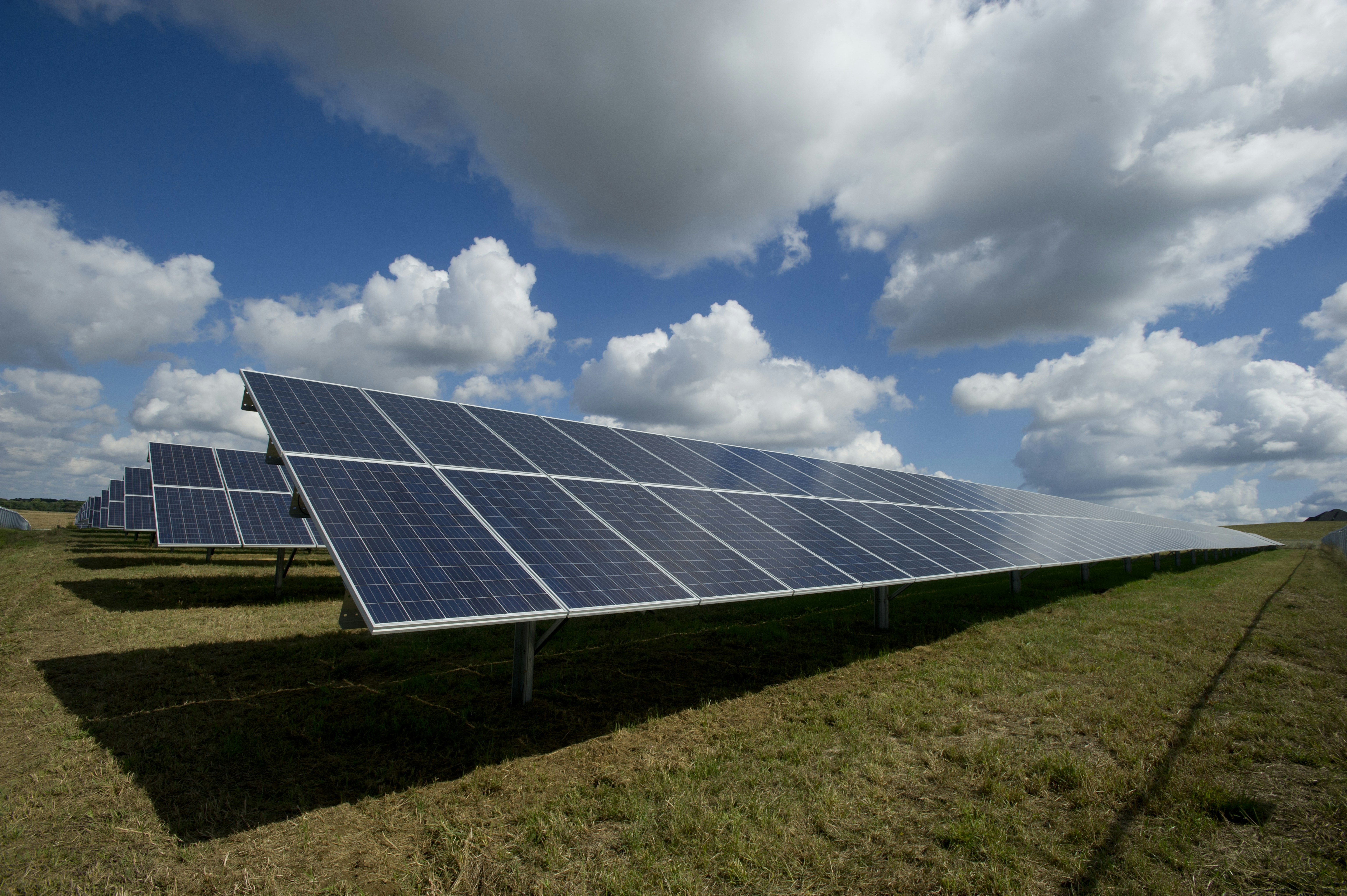
When the power goes out, the solar generator vs gas generator debate becomes very real, very fast. I've been testing both types for the past eight years through everything from hurricane-induced blackouts to planned off-grid adventures, and I can tell you straight up: each has its place, but one might be completely wrong for your situation.
The short answer? Gas generators deliver more power for less money upfront, but solar generators win on convenience and long-term costs. But that's way too simple for a decision that could literally keep your family safe during an emergency.
Power Output: Where the Rubber Meets the Road
Let's start with the most important factor: actual power delivery when you desperately need it. My Honda EU2200i gas generator cranks out 2200 watts continuously, enough to run my refrigerator, a few lights, and charge devices simultaneously. When I fire it up, I know I'm getting that power immediately, regardless of weather conditions.
My Goal Zero Yeti 6000X solar generator, on the other hand, provides 2000 watts of continuous power but tells a more complicated story. On sunny days with optimal panel positioning, it's fantastic. During Hurricane Laura in 2020, when we had three cloudy days straight, it became a very expensive paperweight until I could get some sun.
Gas generators typically range from 1000 watts for small portable units up to 20,000+ watts for whole-house standby systems. Solar generators usually cap out around 3000-4000 watts for portable units, though some larger systems can handle more with enough battery capacity.
Fuel and Operating Costs: The Long-Term Reality
Here's where the math gets interesting. My Honda burns about 0.95 gallons per day running essential appliances during an outage. At current gas prices, that's roughly $4-5 daily in fuel costs. Over a year of weekend camping trips and emergency use, I spend about $150-200 on gasoline.
The solar setup cost me $6000 upfront but hasn't cost a penny to operate in three years. The break-even point depends entirely on how much you use it, but for occasional emergency backup, gas wins on immediate economics.
However, gas generators require regular maintenance. Oil changes every 100 hours, air filter cleaning, carburetor maintenance, and fuel stabilizer treatments add up. I spend about $75 yearly maintaining my gas unit, while the solar generator requires zero maintenance beyond occasionally wiping down the panels.
Noise Levels: Your Neighbors Will Thank You
This difference is night and day. My gas generator produces about 57 decibels at 25 feet, which Honda markets as "quiet" but still sounds like a lawn mower running outside your bedroom window. During extended outages, that constant hum gets old fast.
Solar generators are essentially silent. The only sound comes from a tiny cooling fan that occasionally kicks in, barely audible from 10 feet away. For apartment dwellers or suburban neighborhoods with noise restrictions, this alone might determine your choice.
Emergency Reliability: When Everything Goes Wrong
Gas generators are incredibly reliable if you maintain them properly. Pull the cord (or push the electric start button), and they fire up immediately. I've started my Honda in freezing temperatures, during thunderstorms, and after sitting unused for months with treated fuel.
Solar generators depend on battery charge levels and weather conditions. If your battery dies and you get three cloudy days, you're stuck waiting. But here's the flip side: gas generators need fuel, and during major disasters, gas stations often run dry or lose power themselves.
During the Texas freeze in 2021, many folks with gas generators couldn't find fuel anywhere. Solar generator owners who kept their batteries charged had power throughout the crisis, even with limited sunlight.
Indoor Use and Safety Considerations
This is absolutely critical: gas generators produce deadly carbon monoxide and must never be used indoors or in attached garages. I've seen too many tragic news stories about families who didn't understand this rule.
Solar generators can safely operate anywhere. I've used mine inside during storms, in the basement during tornado warnings, and even in our RV while sleeping. Zero emissions means zero safety concerns about placement.
Solar Generator vs Gas Generator: Best Use Cases
Choose a Gas Generator If:
- You need high power output (3000+ watts continuously)
- You want the lowest upfront cost
- You need guaranteed power regardless of weather
- You're powering essential medical equipment that can't afford weather-dependent charging
- You have adequate outdoor space for safe operation
Choose a Solar Generator If:
- You live in an apartment or area with noise restrictions
- You want zero ongoing fuel costs
- You need indoor emergency power capability
- You're primarily powering small devices and LED lighting
- You want a maintenance-free backup power solution
My Real-World Recommendation
After years of testing both types, here's what I actually recommend to friends and family: if you can only afford one system, choose based on your primary need. For whole-house backup power during extended outages, gas wins. For convenient, quiet backup power for essentials, solar wins.
If budget allows, consider a hybrid approach. I keep both systems because they complement each other perfectly. The solar generator handles daily power needs and quiet nighttime operation, while the gas generator tackles heavy-duty loads and extended cloudy periods.
For most families starting their emergency preparedness journey, a mid-range gas generator like the Honda EU2200i provides the most bang for your buck. You can always add solar capacity later as your budget allows.
When choosing between solar generator vs gas generator options, remember that the best backup power system is the one you'll actually maintain and know how to use when disaster strikes. Whatever you choose, test it regularly and keep it ready to go.
Frequently Asked Questions
Can solar generators work during winter or cloudy weather?
Yes, but with significantly reduced charging capability. Solar panels still generate power on cloudy days, typically 10-30% of their rated capacity. During winter months with shorter days and frequent cloud cover, expect longer charging times and potentially insufficient daily energy collection to fully recharge the battery.
How long do solar generator batteries last compared to gas generator engines?
Lithium batteries in quality solar generators typically last 2000-3000 charge cycles, roughly 5-10 years of regular use. Gas generator engines can last 1000-3000 hours with proper maintenance, potentially 10-20 years for occasional emergency use. Both require eventual replacement, but gas generators need regular maintenance while solar batteries don't.
Which type costs less to operate over 10 years?
Solar generators have virtually zero operating costs after purchase, while gas generators require ongoing fuel and maintenance expenses. A gas generator used 50 hours annually costs roughly $200-300 yearly in fuel plus maintenance. Over 10 years, operating costs often exceed a solar generator's higher upfront price.
Can I use a solar generator to power my refrigerator during outages?
Most modern refrigerators use 100-400 watts while running, well within solar generator capabilities. However, startup surge current can reach 1200+ watts briefly. Choose a solar generator with sufficient surge capacity and battery storage for overnight operation when solar panels aren't charging.



0 Comments