

Building a 1-year food supply isn't about hoarding freeze-dried astronaut meals in your basement. After helping dozens of families create their long-term food storage systems over the past decade, I've learned that the best approach focuses on foods you actually eat, smart rotation systems, and gradual building rather than panic buying.
The biggest mistake I see people make? They drop thousands on emergency food buckets, then never touch them. When disaster strikes, they're stuck eating bland survival rations while their regular pantry sits empty. Let's build something better.
Start With Your Family's Real Eating Habits
Before you buy anything, spend a week tracking what your family actually eats. I'm talking breakfast, lunch, dinner, and snacks. Write it down. This becomes your blueprint for long-term storage.
My family eats rice about four times per week, pasta twice, and some form of beans or lentils daily. So guess what makes up the foundation of our 1-year food supply? Not exotic survival foods, but 50-pound bags of jasmine rice, cases of whole wheat pasta, and every type of dried bean you can imagine.
Focus on shelf-stable versions of foods you're already cooking. If your kids love spaghetti and meatballs, stock up on pasta, canned tomatoes, tomato paste, and shelf-stable meatballs. If you make stir-fry weekly, get rice, canned vegetables, soy sauce, and dried spices in bulk.
The Foundation Foods That Never Let You Down
Every solid 1-year food supply starts with the basics. These are foods that store well, provide essential nutrition, and work in countless recipes. I call them foundation foods because everything else builds on top of them.
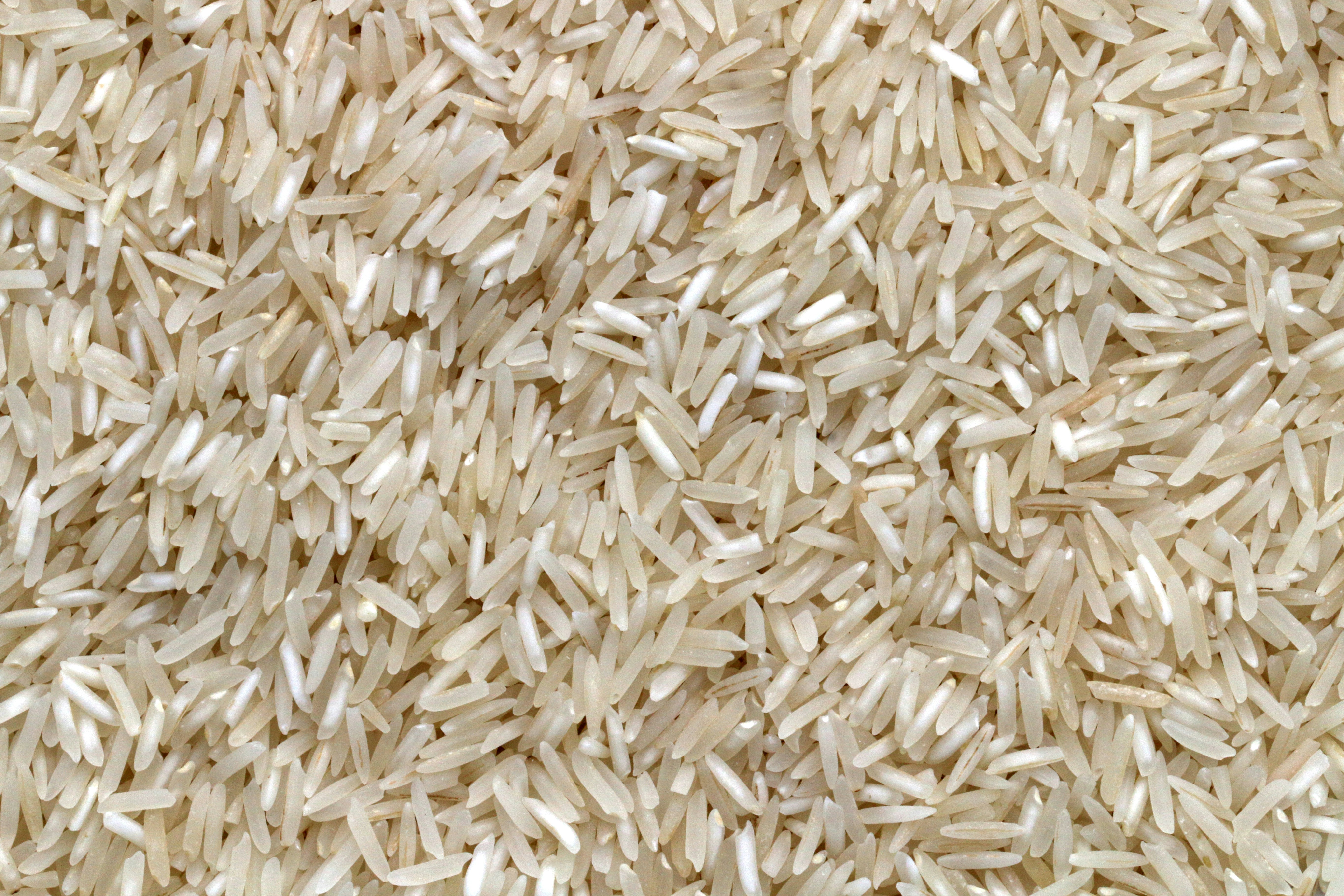
Rice and grains form your carbohydrate base. I keep white rice for long-term storage (it lasts longer than brown rice), quinoa for protein diversity, and rolled oats for breakfast. Buy in 25 or 50-pound bags and store in food-grade buckets with oxygen absorbers. One person needs about 300 pounds of grains per year.
Beans and legumes provide protein and fiber. Pinto beans, black beans, chickpeas, lentils, and split peas give you variety. They're cheap, nutritious, and incredibly versatile. Plan on 200 pounds per person annually. I rotate through brands like Goya and Great Northern, buying whatever's on sale.
Fats and oils are crucial but often overlooked. Coconut oil, olive oil, and vegetable oil each serve different purposes. Coconut oil has the longest shelf life, while olive oil adds flavor to stored foods. Store in cool, dark places and rotate regularly.
Canned Goods That Actually Matter
Canned tomatoes are your secret weapon. Diced, crushed, paste, and sauce turn basic grains and beans into actual meals. I probably have 200 cans of various tomato products at any given time. Hunt's, Muir Glen, whatever's cheapest when I'm shopping.
Canned proteins like chicken, salmon, and tuna provide ready-to-eat options when you don't want to cook dried beans from scratch. Canned vegetables work for quick meals, though frozen vegetables taste better if you have reliable power.
Storage Solutions That Actually Work in Real Homes
You don't need a massive basement or dedicated storage room to build a 1-year food supply. I've helped families create substantial storage systems in apartments, tiny homes, and houses with minimal space.
Food-grade buckets with gamma seal lids are perfect for bulk grains and beans. They're airtight, pest-proof, and stackable. I use Augason Farms buckets and Vittles Vault containers for smaller quantities. Label everything with contents and dates.
Metal shelving units maximize vertical space in closets, basements, or spare rooms. The heavy-duty ones from Costco or Sam's Club hold serious weight without sagging. I've got four units in my basement storing about 80% of our long-term food supply.
Mylar bags with oxygen absorbers inside buckets extend storage life dramatically. This combo keeps rice and beans fresh for 20+ years. You can buy both on Amazon or from emergency supply companies like Ready Store or Augason Farms.
Temperature and Environment Control
Keep stored food in the coolest, driest place available. My basement stays around 65°F year-round, which is perfect. Hot attics or garages destroy food quickly. Even an interior closet works better than extreme temperature areas.
Humidity kills stored food faster than heat. Use desiccant packets in areas with moisture problems. I learned this the hard way when condensation ruined $300 worth of flour stored in a damp corner of my basement.
Building Your Supply Gradually and Affordably
Don't try to build a 1-year food supply in one shopping trip. It's expensive, overwhelming, and you'll make poor choices under pressure. Instead, add to your supply consistently over 12-18 months.
Shop sales and buy in bulk when prices drop. I track prices on rice, beans, canned tomatoes, and other staples. When they hit rock bottom prices, I buy 6-12 months worth. This approach saves hundreds compared to paying retail prices.
Consider wholesale clubs like Costco or Sam's Club for bulk purchases. Restaurant supply stores sell institutional sizes of basic ingredients at great prices. Cash and Carry (now Smart Foodservice) has become one of my favorite sources for #10 cans and bulk spices.
Set a monthly budget for building your food storage. Even $50-100 per month adds up quickly. Focus on one category at a time - spend February building your grain supply, March on beans and legumes, April on canned goods.
Rotation Systems That Prevent Waste
The best long-term food storage gets used regularly. I operate on a "store what you eat, eat what you store" principle. This ensures nothing sits untouched for years, and your family stays familiar with the foods in your emergency supply.
First In, First Out (FIFO) rotation prevents waste and maintains freshness. New purchases go in the back, older items move to the front for immediate use. Simple but effective when you stick to the system.
Cook from storage at least twice per week. This accomplishes several goals: you save money on groceries, practice cooking with stored ingredients, and naturally rotate your supply. Some of our best family meals come from storage cooking experiments.
Dating and Inventory Management
Mark purchase dates on everything with permanent marker. For items without expiration dates (like white rice in buckets), note when you stored them. This helps with rotation decisions later.
Keep a simple inventory list on your phone or computer. Nothing fancy - just quantities and approximate dates. Update it monthly when you add new items or use stored food. This prevents overbuying and identifies gaps in your supply.
Balancing Nutrition in Long-Term Storage
Rice and beans alone won't keep your family healthy long-term. While they provide complete protein when eaten together, you need vitamins, minerals, and variety for good nutrition and morale.
Canned and dried fruits provide vitamin C and natural sweetness. Canned peaches, pears, and pineapple store well and boost morale during tough times. Dried fruits like raisins, dates, and apricots pack nutrients and energy in small packages.
Multivitamins and specific supplements fill nutritional gaps in stored food diets. I keep extra vitamin C, vitamin D, and B-complex vitamins. They're insurance against deficiencies during extended reliance on stored foods.
Sprouting seeds and microgreens provide fresh nutrition from stored foods. Mung beans, alfalfa, and broccoli seeds sprout easily indoors with minimal equipment. Fresh sprouts taste amazing after weeks of stored food meals.
Common Mistakes That Waste Money and Food
Buying too much of foods your family doesn't eat regularly. That 50-pound bag of wheat berries sounds practical, but if nobody knows how to cook with them, they'll sit unused. Start small and build knowledge before committing to large quantities.
Ignoring expiration dates and rotation schedules. Even long-term storage foods eventually go bad. I've thrown away hundreds of dollars in expired canned goods because I got lazy about rotation. Don't repeat my mistake.
Storing everything in one location creates single points of failure. Flood, fire, or pests can destroy months of preparation. I keep about 20% of our supply in a different part of the house as backup.
Your 1-Year Food Supply Action Plan
Start by calculating your family's needs. Multiply daily calorie requirements by 365 days. Adults need 2000-2500 calories daily, children need 1500-2000. This gives you a target for total stored calories.
Begin with a solid foundation of rice, beans, oils, and canned tomatoes. These four categories can create hundreds of different meals and provide complete nutrition. Build this base first, then add variety and speciality items.
Focus on one month's worth of food storage before expanding to three months, then six months, and finally a full year. This progression keeps the project manageable and lets you refine your system as you learn what works for your family.
Building a 1-year food supply takes patience, planning, and consistent effort. But there's incredible peace of mind knowing your family can eat well regardless of what happens in the world. Start small, stay consistent, and remember that the best food storage system is one your family actually uses and enjoys.
Frequently Asked Questions
How much does it cost to build a 1-year food supply for a family of four?
Expect to invest $3000-5000 over 12-18 months for a basic but complete 1-year supply. This covers foundation foods, canned goods, and storage containers. Costs vary significantly based on food choices and shopping strategies, but buying sales and bulk quantities keeps expenses reasonable.
What's the shelf life of properly stored rice and beans?
White rice and most dried beans stored in airtight containers with oxygen absorbers last 20-30 years when kept cool and dry. Brown rice has shorter storage life due to natural oils, lasting 6-12 months at room temperature. Always rotate stock and check for signs of spoilage before cooking.
Do I need special equipment for long-term food storage?
Basic long-term storage requires food-grade buckets, gamma seal lids, mylar bags, and oxygen absorbers. You can start with these essentials for under $200. Vacuum sealers, freeze dryers, and other equipment add convenience but aren't necessary for building an effective 1-year food supply.
How do I know if stored food has gone bad?
Check for off odors, discoloration, mold, or pest damage before cooking stored foods. Properly stored grains and beans should smell fresh and look normal. When in doubt, throw it out - the cost of replacing questionable food is much less than dealing with food poisoning during an emergency.



0 Comments